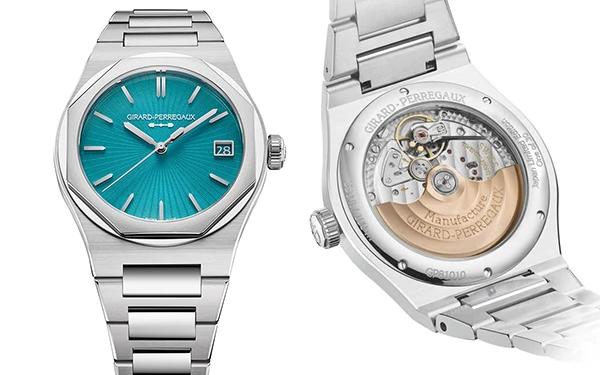

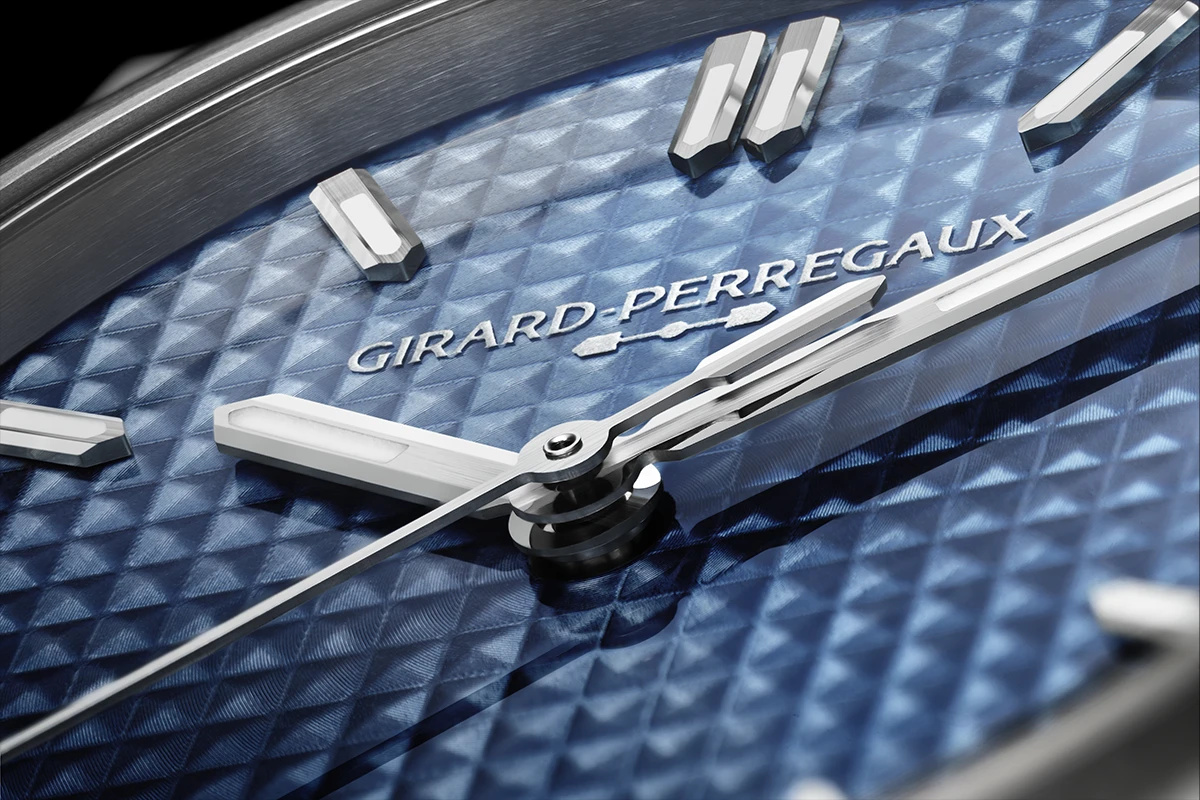
Since its founding in 1972, Donzé Cadrans has inherited the traditional techniques of enamel dial production. Now part of the Sowind Group alongside Girard-Perregaux, this workshop still practices advanced techniques such as grand feu enamel, linqué, cloisonné, and champlevé by hand. The "Laureato Fifty 39mm" with a blue enamel dial, released in 2026, fuses these techniques with an iconic Girard-Perregaux design. The deep blue, which shines through the three-dimensional Clous de Paris pattern, is captivating. How is this look created? We visited the Donzé Cadrans workshop in Le Locle.
Photographs by Takafumi Okuda
Yukiya Suzuki (Kronos Japan): Interview and writing
Edited & Text by Yukiya Suzuki (Chronos-Japan)
[Article published on January 4, 2026]
Donzé Cadran, an enamel workshop that carries on classical techniques in the modern age.
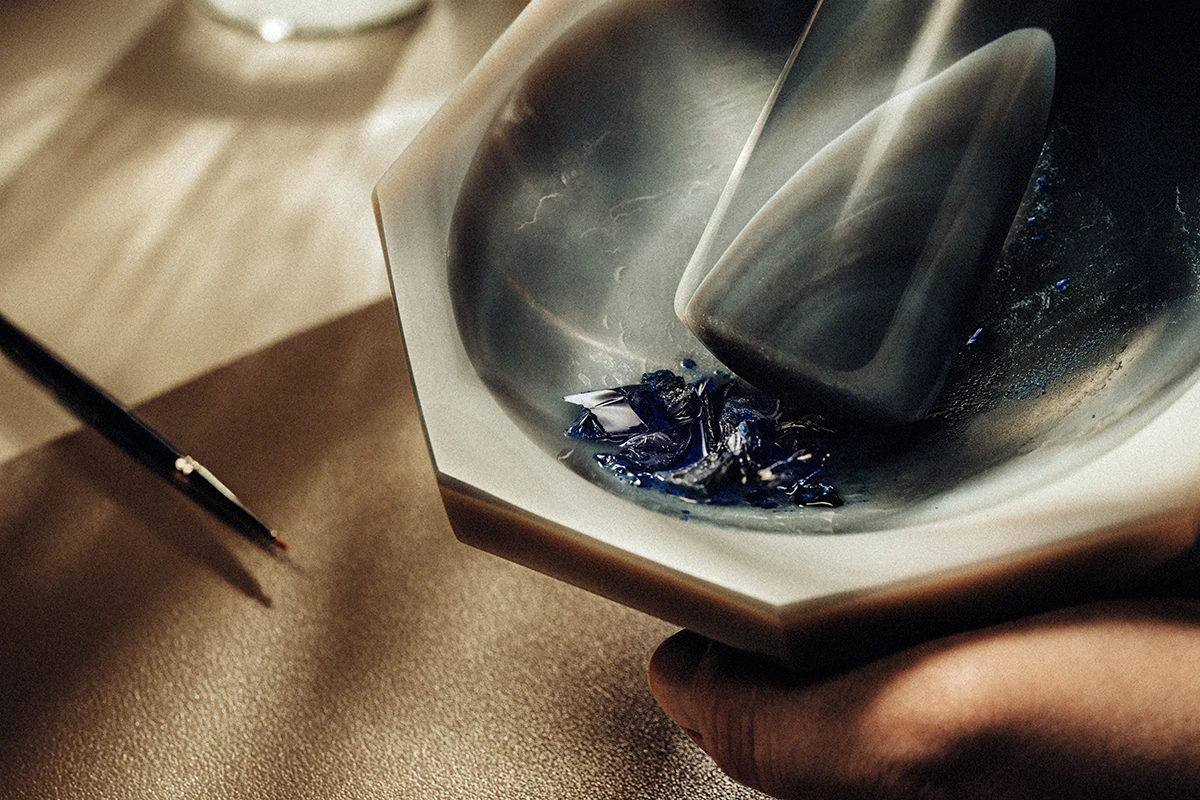
In a small mortar, a craftsman slowly moves a pestle. Inside is the glaze that will become the raw material for enamel. He crushes it into fine particles and washes it with water to refine the texture. When we think of enamel dial making, we tend to be captivated by the ornate cloisonné or translucent guilloché finishes. However, a visit to the Donzé Cadran workshop reveals that the starting point is surprisingly fundamental, involving meticulous handiwork.
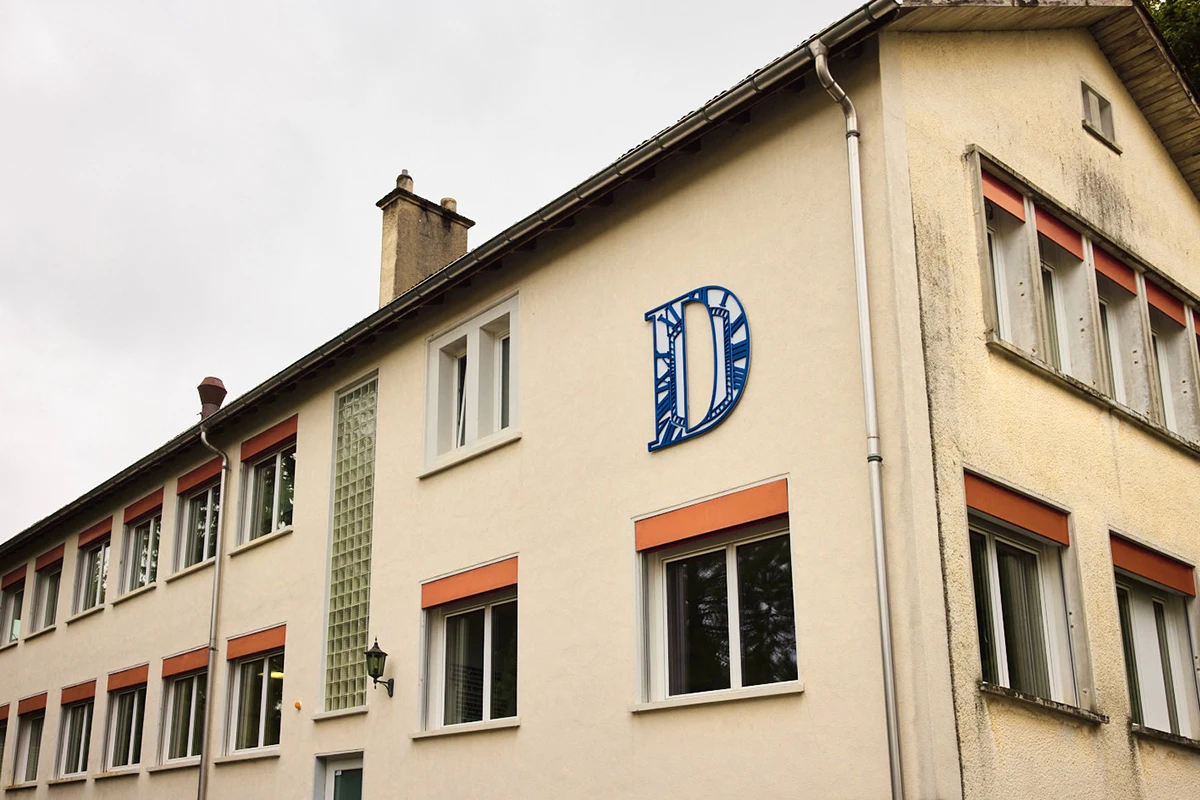
Donzé Cadrans was founded in 1972. Its founder, Francis Donzé, specialized in enamel dials, and Rolf Schnyder, who acquired Ulysse Nardin in 1983, had taken notice of the workshop's techniques early on. Eventually, Ulysse Nardin actively produced watches using techniques such as guilloché, cloisonné, and champlevé. Donzé Cadrans became an important supporter of this enamel expression.
The company has a long-standing relationship with Girard-Perregaux, and according to explanations given during the interview, it has been producing enamel dials for the company since 1996. In September 2011, Ulysse Nardin acquired Donzé Cadrans. Even after Kering transferred all of its shares in the Sowind Group to management (MBO) in 2022, Donzé Cadrans continues to function as a workshop within the same group as Girard-Perregaux and Ulysse Nardin, handling rare enamel techniques.
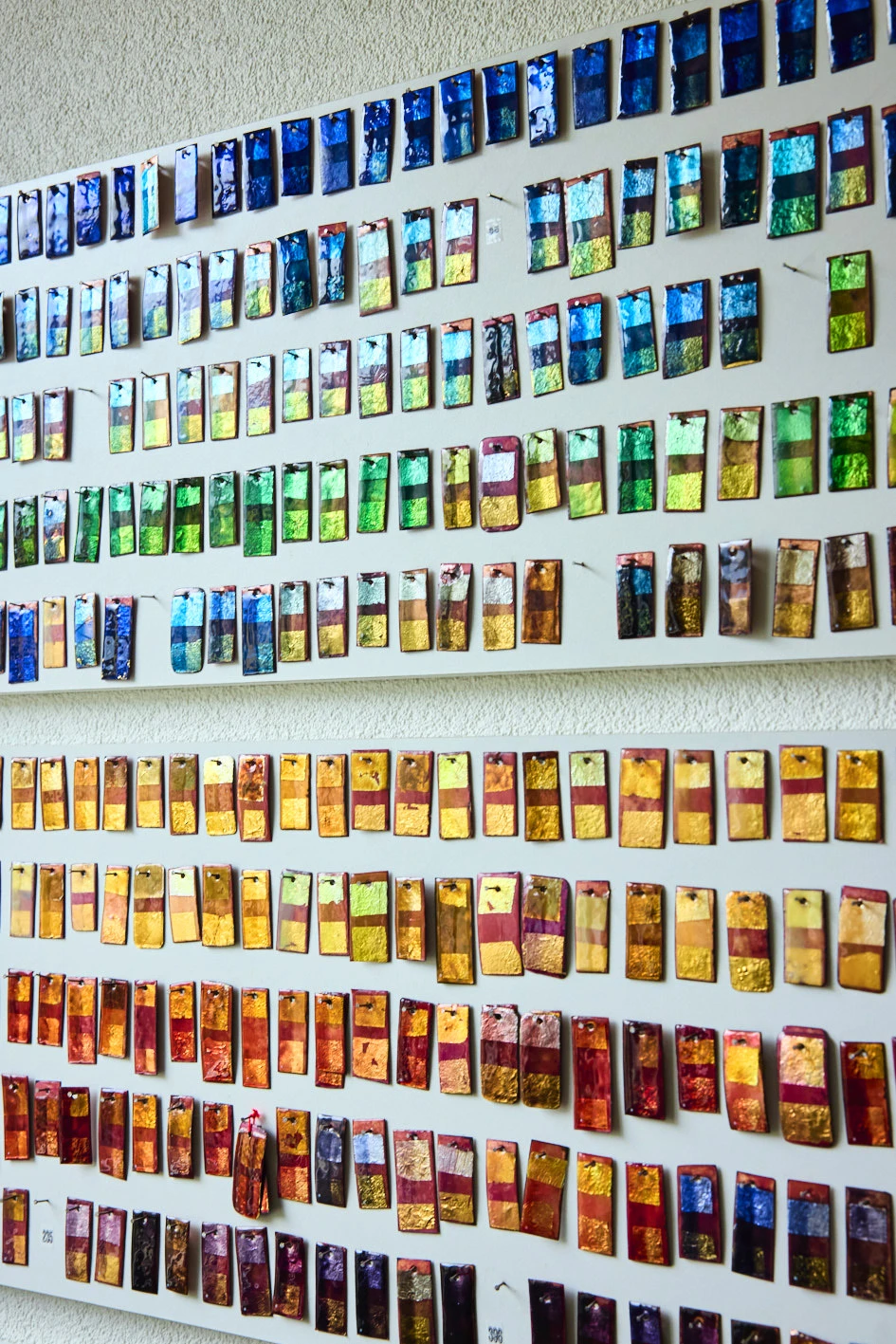
Currently, the workshop handles a wide range of techniques, including opaque enamels such as white, flancé (a technique using translucent enamels), cloisonné, and champlevé. At the time of the interview, there were eight enamel artisans working there. However, it takes at least 10 years of experience to be able to handle cloisonné and champlevé with ease. In an era where there are very few schools that systematically teach these techniques, the workshop itself is taking on the role of a "school" for nurturing the next generation.
The senses of a craftsman facing an 800℃ furnace
The quickest way to understand the essence of enamel work is to actually see the firing process.
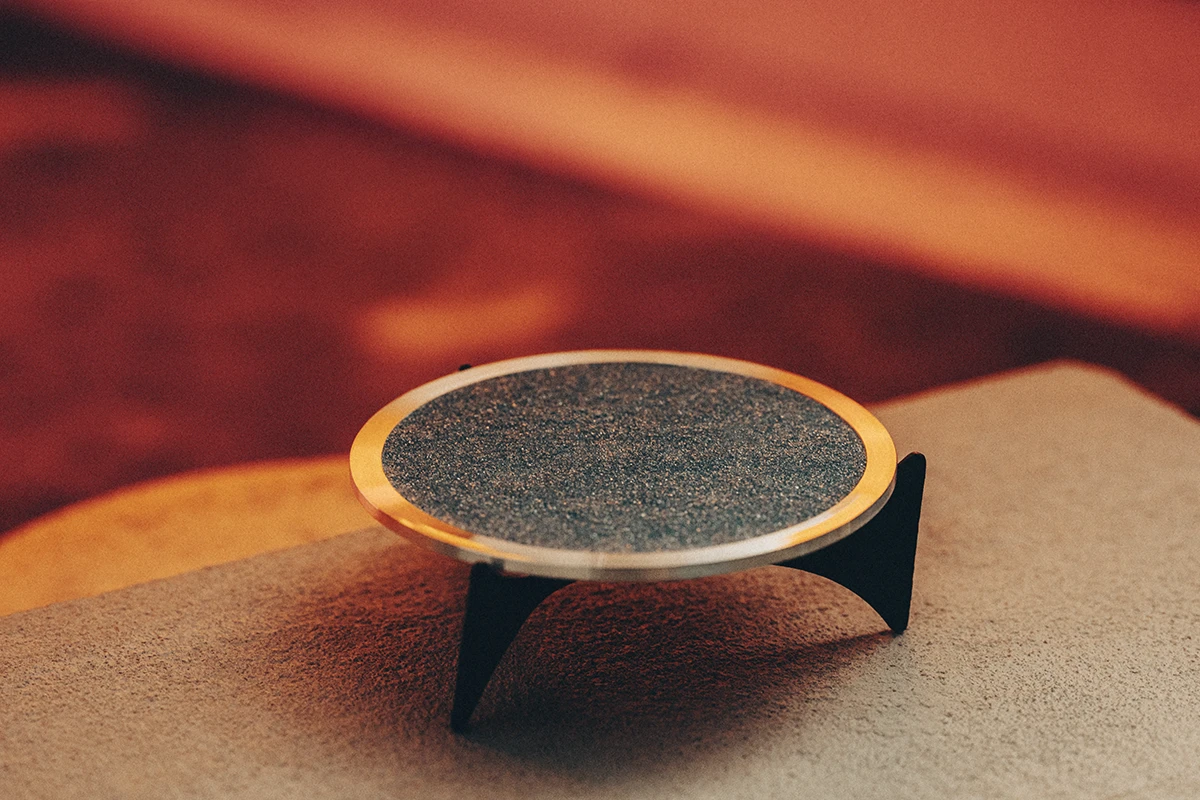
During the interview, I saw a watch with a white, opaque enamel dial. A powdered glaze was placed on a copper base plate and then placed in a furnace heated to approximately 830°C. The firing time was about one and a half minutes. However, there was no timer beside it.
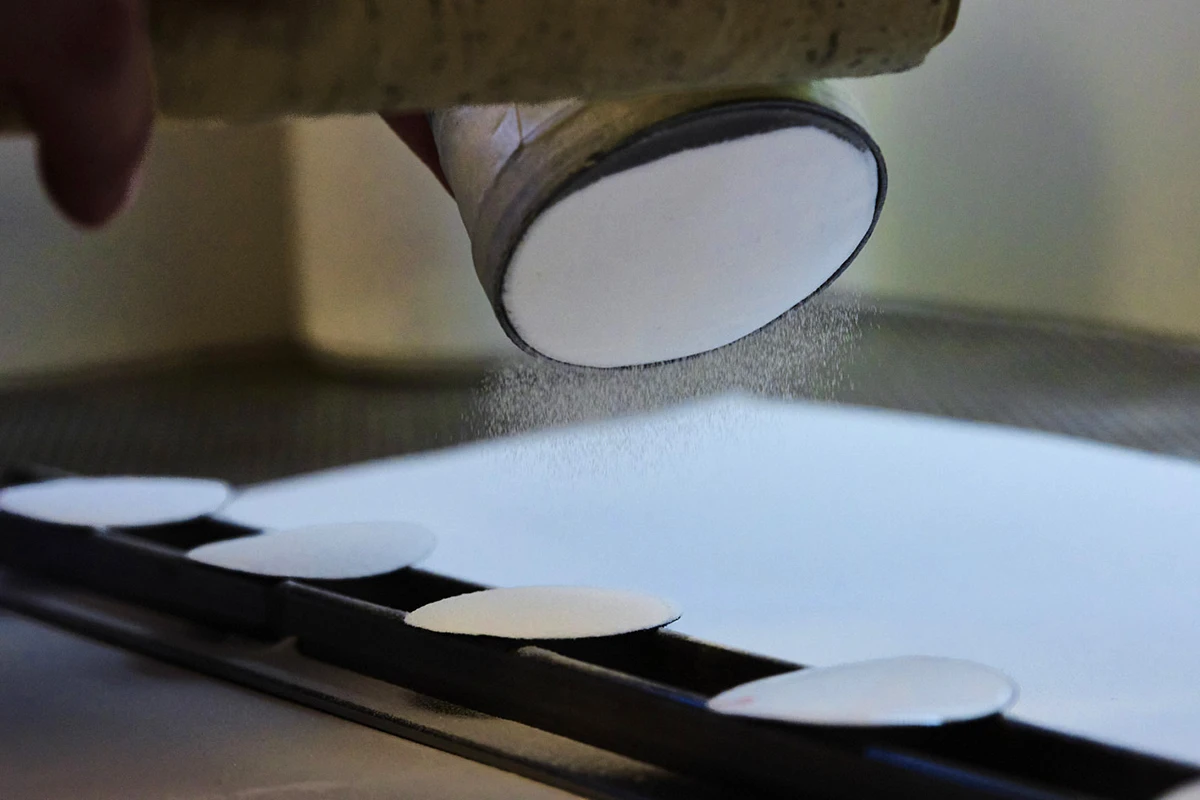
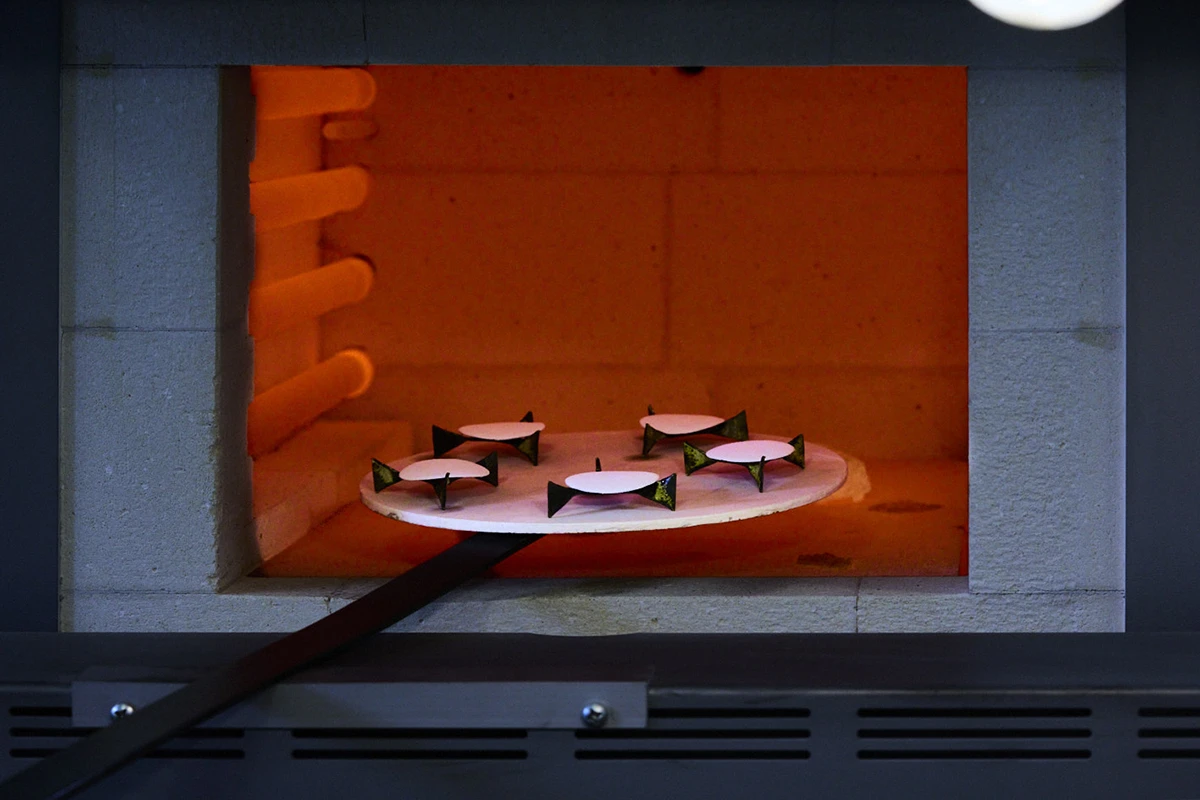
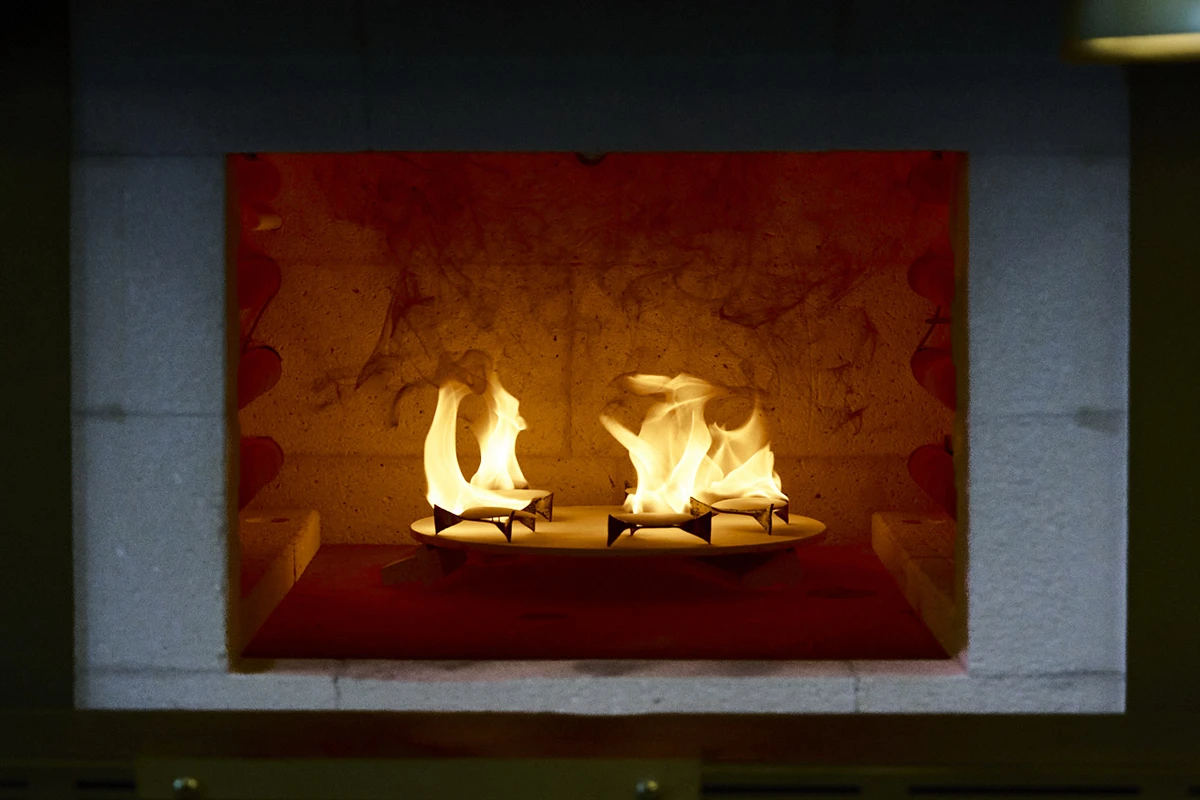
It is the craftsman himself who decides when to remove the piece from the furnace. He gazes into the furnace and judges the right moment based on the state of the melting glaze. This is a completely different approach from modern industrial products where temperature and time are controlled solely by numerical values.
Moreover, it's not a one-time firing process. Layers are added, and each one is fired separately. For the final layer, even the amount of glaze is adjusted to create a smooth surface. If air bubbles appear, those parts are scraped off, new glaze is added, and the piece is returned to the kiln. During the interview, we learned that the final yield for the white opaque enamel dials is about 30%. It's hard to imagine from the serene appearance of the finished product, but behind it lies a constant struggle with fire, where failure is always a possibility.
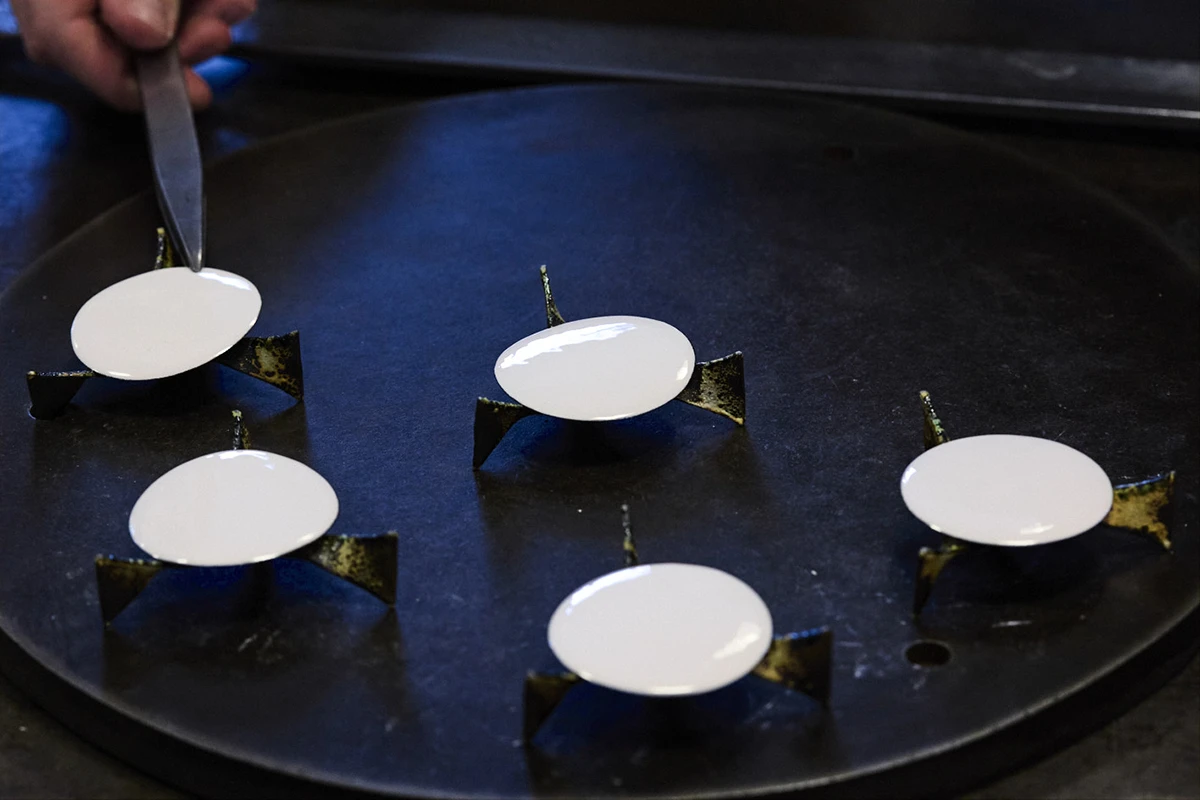
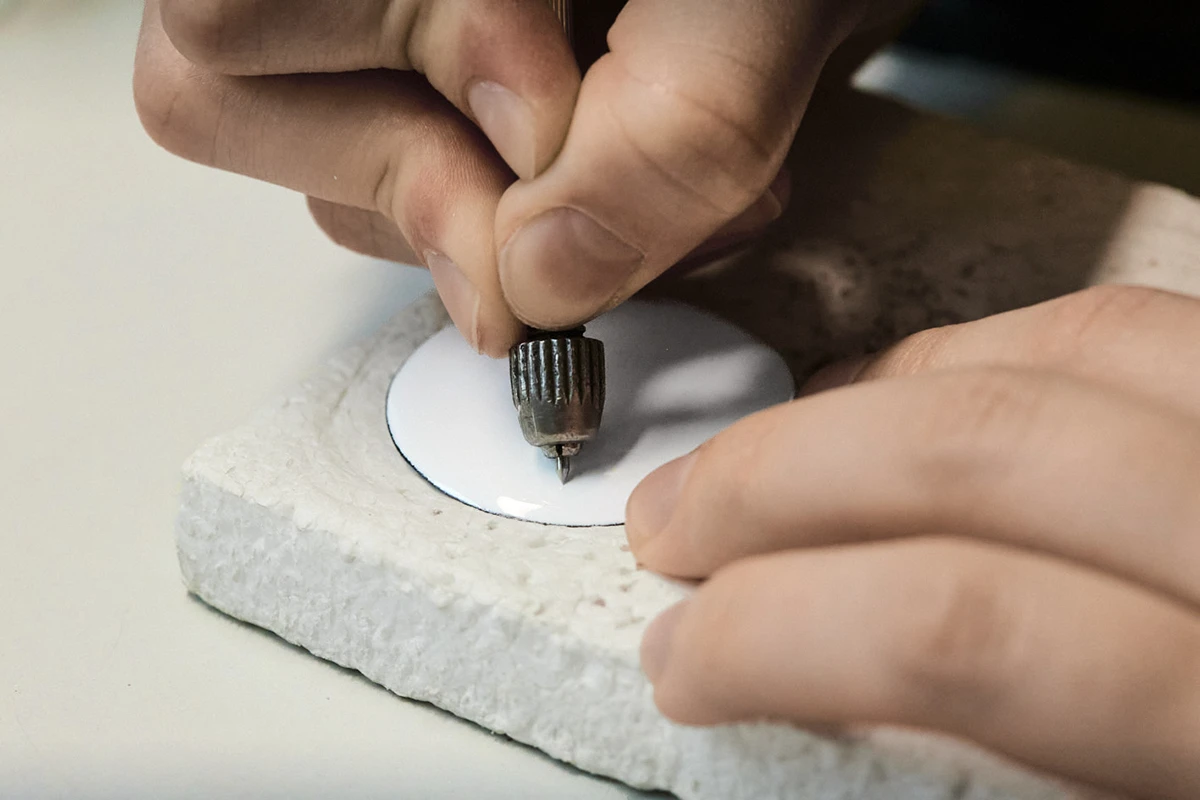
What's even more interesting is that the enamel isn't applied only to the front of the dial. With a copper base plate, the glaze is also applied to the back before firing. If only one side is fired at a high temperature, the base plate will warp due to the difference in shrinkage rates between the enamel and the metal. Multiple layers are applied to the surface while balancing the tension on both sides. A set of empirical rules that take into account the expansion and contraction of the materials are condensed into a dial that is only a few centimeters in size.
The aesthetic appeal of Franke enamel goes beyond just "color."
And what's important in understanding this "Laureato Fifty" is the flank enamel.
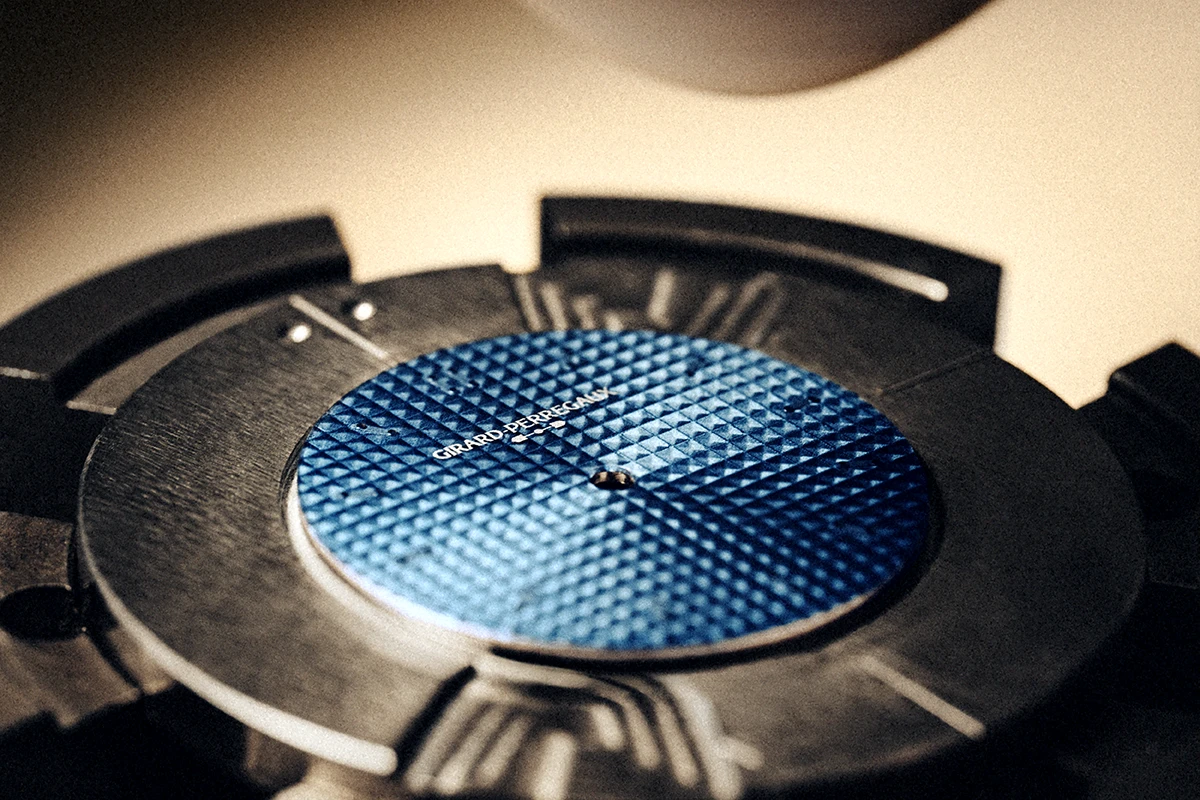
Franke enamel is a technique in which a metal base plate is decorated with guilloché and other techniques, and then a translucent enamel is layered on top. Donzé Cadrans uses different base plates, such as silver and gold, depending on the desired color tone. During the interview, they explained that "silver goes well with blue."
In other words, the colors of Franke's work are not solely determined by the glaze.
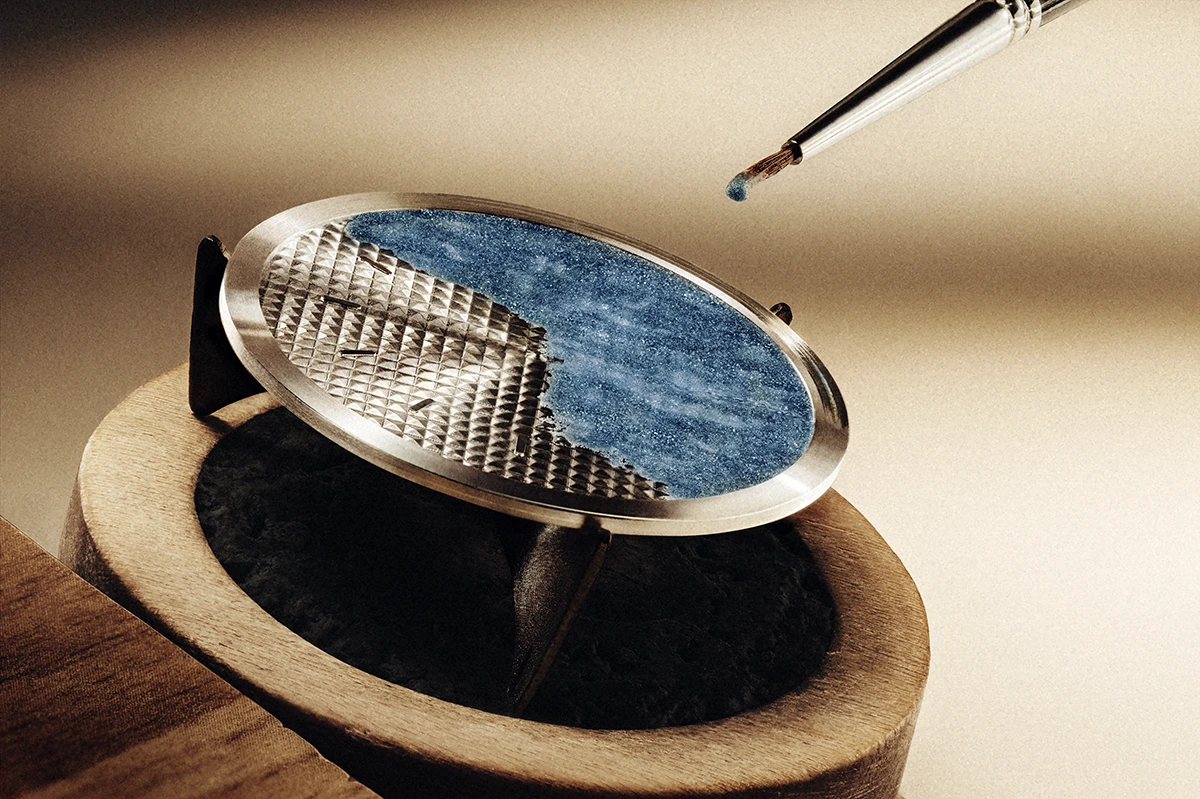
Light passing through the enamel layer strikes the metal and decorations beneath, then passes through the enamel again to reach the eye. The type of base metal, the patterns engraved on it, their depth, the color and transparency of the enamel, and even the polishing after firing—all these elements combine to create a single, complete color.
The post-firing process is also not simple. If the enamel is too thick, there is a higher risk of damage when it is assembled into a watch. Therefore, the surface is ground with diamond abrasive to adjust the thickness and flatness. Furthermore, to remove the polishing marks, the surface is placed back into the furnace at approximately 800°C to slightly melt it. It's not finished with polishing; one last time, "fire" is used to restore the luster.
Clou de Paris: Manipulating Light Beneath Enamel
Knowing about Donzé Cadlan's techniques, the impression of the blue dial on the Laureato Fifty changes dramatically.
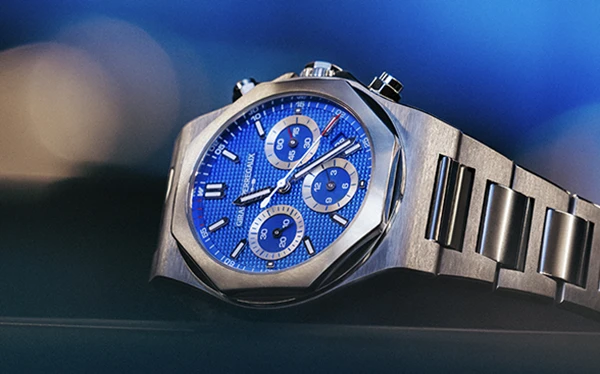
The 39mm blue enamel model, Ref. 81008-11-3530-1CM, released in 2026, was the first Laureato model to feature blue enamel applied over the Clous de Paris pattern.
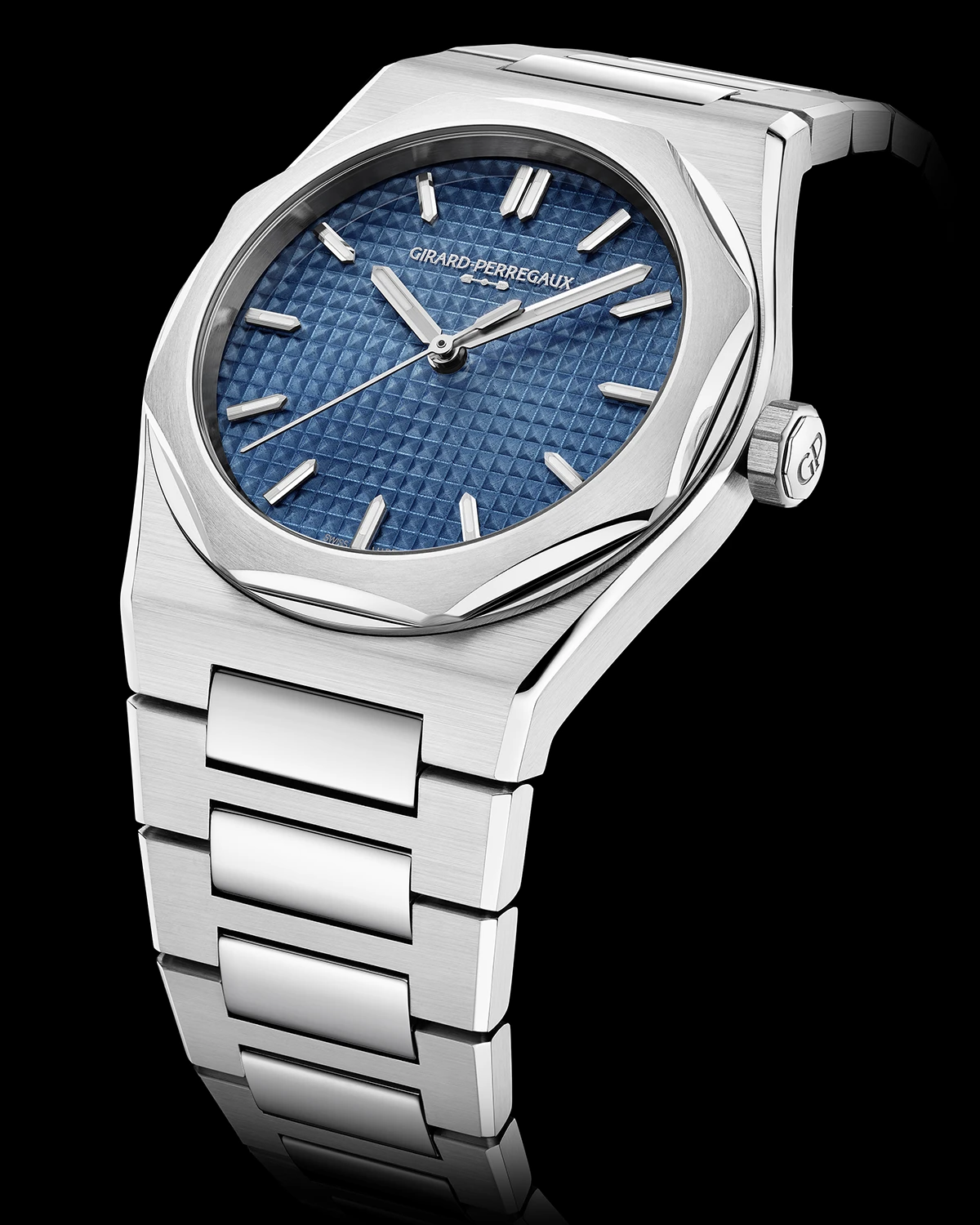
The Laureato Fifty, a new model for 2026, was released to commemorate the 50th anniversary of the Laureato collection in 2025. The photo shows a model with a dial featuring blue enamel over a Clous de Paris pattern. Automatic movement (Cal. GP4800-2605). 19 jewels. 28,800 vibrations/hour. Power reserve of approximately 60 hours. Stainless steel case (diameter 39.00mm, thickness 10.20mm). 150m water resistance. 3,432,000 yen (including tax).
At first glance, it looks like the familiar blue-dial Laureato. However, when light is shone on it, it is clearly different from a regular lacquer dial.
Beneath the translucent blue enamel, a pyramidal pattern of Clous de Paris emerges. Because each slope receives light at a different angle, some parts shine with a vibrant blue, while others sink into a deep navy. Just a slight tilt of the watch causes these contrasts of light and shadow to shift across the dial.
The enamel itself appears to shine because light is not simply reflecting off the surface, but passing through a translucent layer and interacting with the three-dimensional pattern beneath. In other words, the interaction between the translucent enamel and the texture causes the shade of blue to constantly change in response to changes in light.
Why is only the blue enamel version "non-date"?
Another important feature of this model is the lack of a date display.
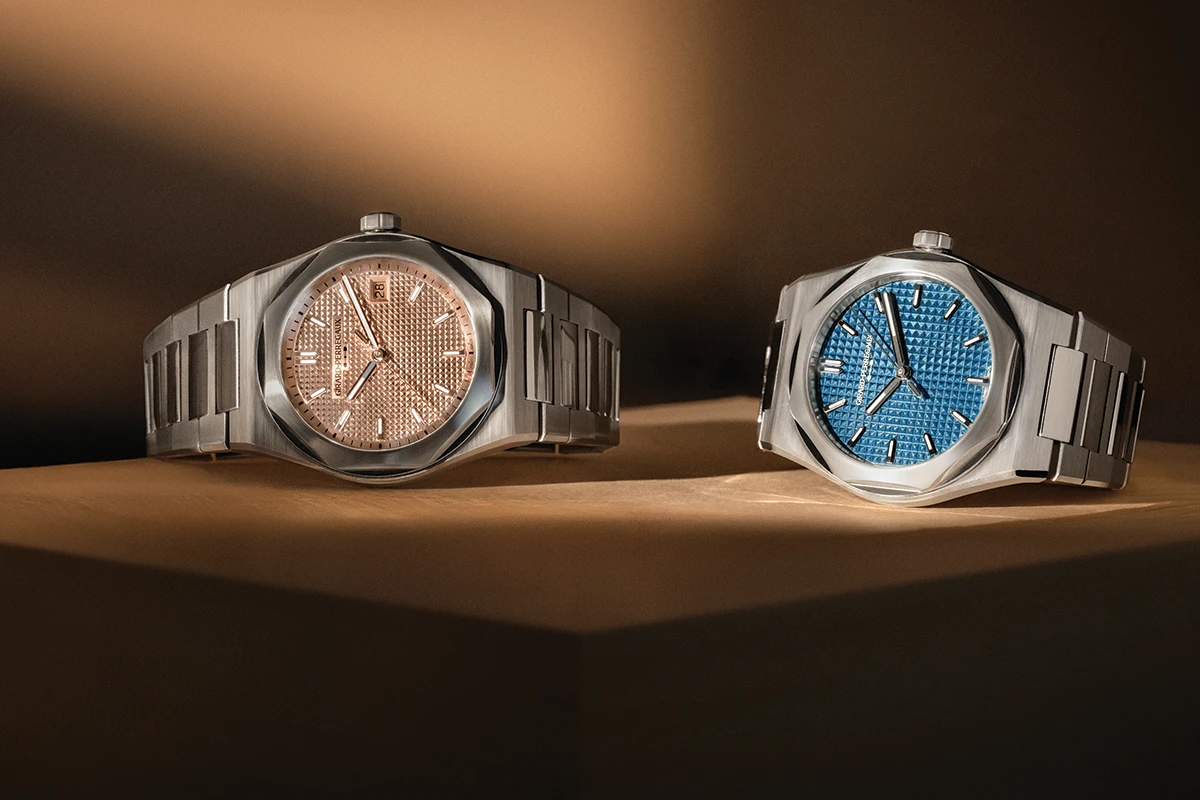
The 39mm 18K gold Clous de Paris dial version, released at the same time, features a date display at the 3 o'clock position. The blue enamel version, on the other hand, only has hour, minute, and center seconds hands. The press release also specifies that it is equipped with the in-house developed Cal.GP4800-2605 movement and is a non-date model with 163 parts.
As a result, this further enhances the appeal of the blue enamel dial.
Because the date window does not interrupt the continuous Clous de Paris pattern, a blue light spreads across the entire dial. The octagonal bezel, circular base, tonneau-shaped case, and integrated bracelet—the Laureato's design has always manipulated light through the finishes of different surfaces, and now a new "layer of light" has been added with the enamel dial.
Bringing traditional techniques to modern Laureato.
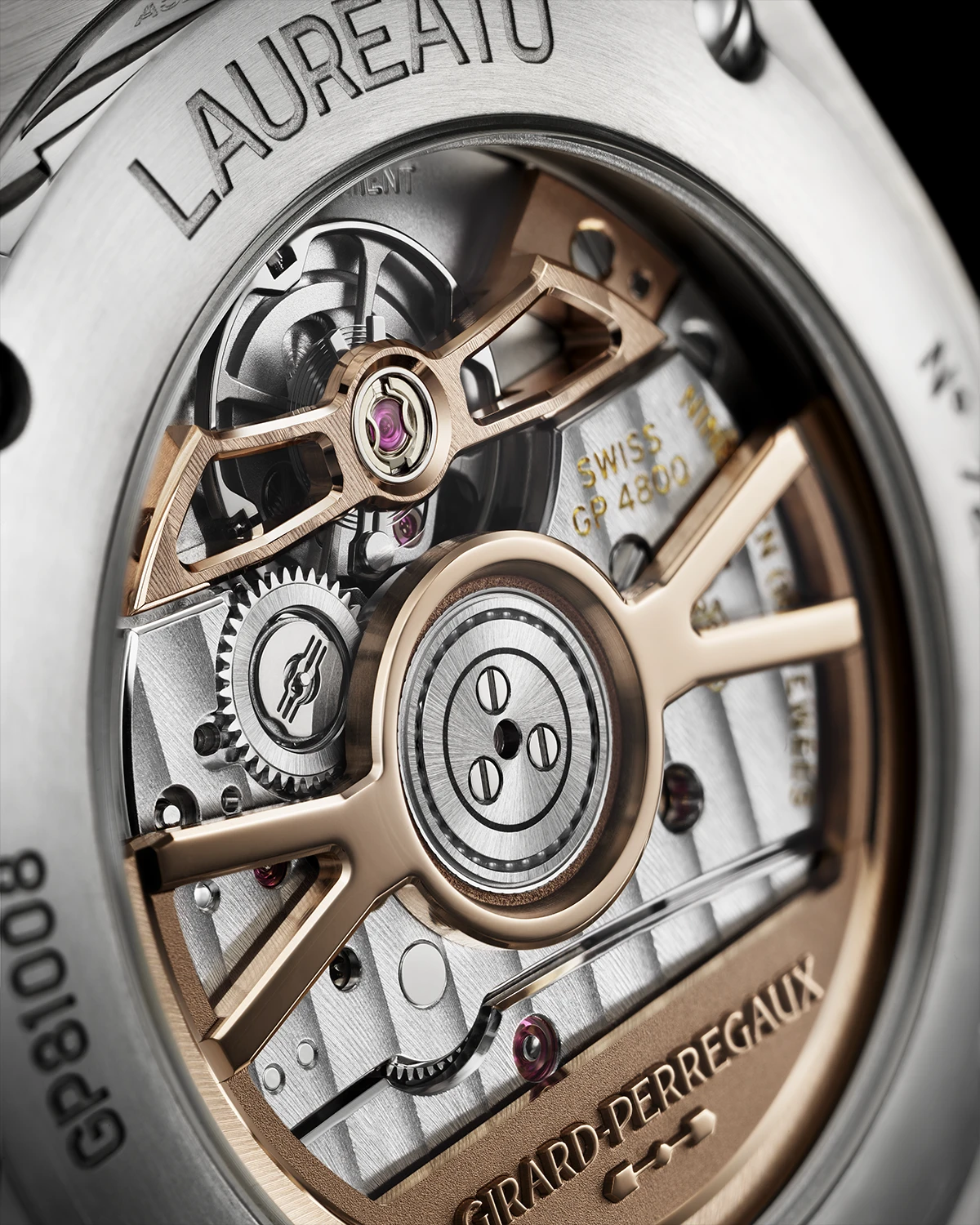
The case diameter is 39mm and the thickness is 10.20mm. It has a water resistance of 150m. The automatic Cal.GP4800-2605 movement has a diameter of 25.60mm, a thickness of 4.28mm, vibrates at 28,800 vibrations per hour, and has a power reserve of approximately 60 hours. In addition to an 18K pink gold rotor, the Laureato Fifty also uses a balance bridge made of the same material.
However, when you put this watch on your wrist, the first thing that catches your eye isn't the specifications, but rather the dial.
Enamel is by no means a new technique. The production process I witnessed at Donzé Cadrans seemed to operate at a pace different from mechanization or automation. The craftsman crushed and washed the glaze, placed it on the base plate, and gazed into the furnace. After firing, he checked its condition, polished it, and put it back into the fire if necessary.
On the other hand, the Laureato was born in 1975, incorporating the then cutting-edge technology of quartz movement. The 2026 "Laureato Fifty" incorporates the extremely analog technique of enamel, which has been passed down for centuries, into its modern design.
That's why this blue dial isn't just a simple color variation.
The regular, geometric pattern of the Clous de Paris and the enamel, where the result changes depending on the temperature of the fire, resulting in no two pieces being exactly alike—by combining these two elements, the Laureato watch's inherent characteristic of "shaping light" is taken to an even deeper level.
The sight of the craftsman standing before the furnace in the small workshop of Le Locle—knowing his handiwork, the blue on the Laureato's dial no longer appears as just "blue." What is contained within it is the savoir-faire of Donzé Cadran, built up over half a century working with glaze, metal, and fire.