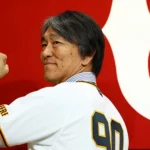
dragonfire_jp, who retired in 2024, says with a laugh, "I'm completely settled now, but if there's a backstory and the conditions are right, I might continue collecting." His collection is incredibly rich and original, built over the past decade based on his mature values.
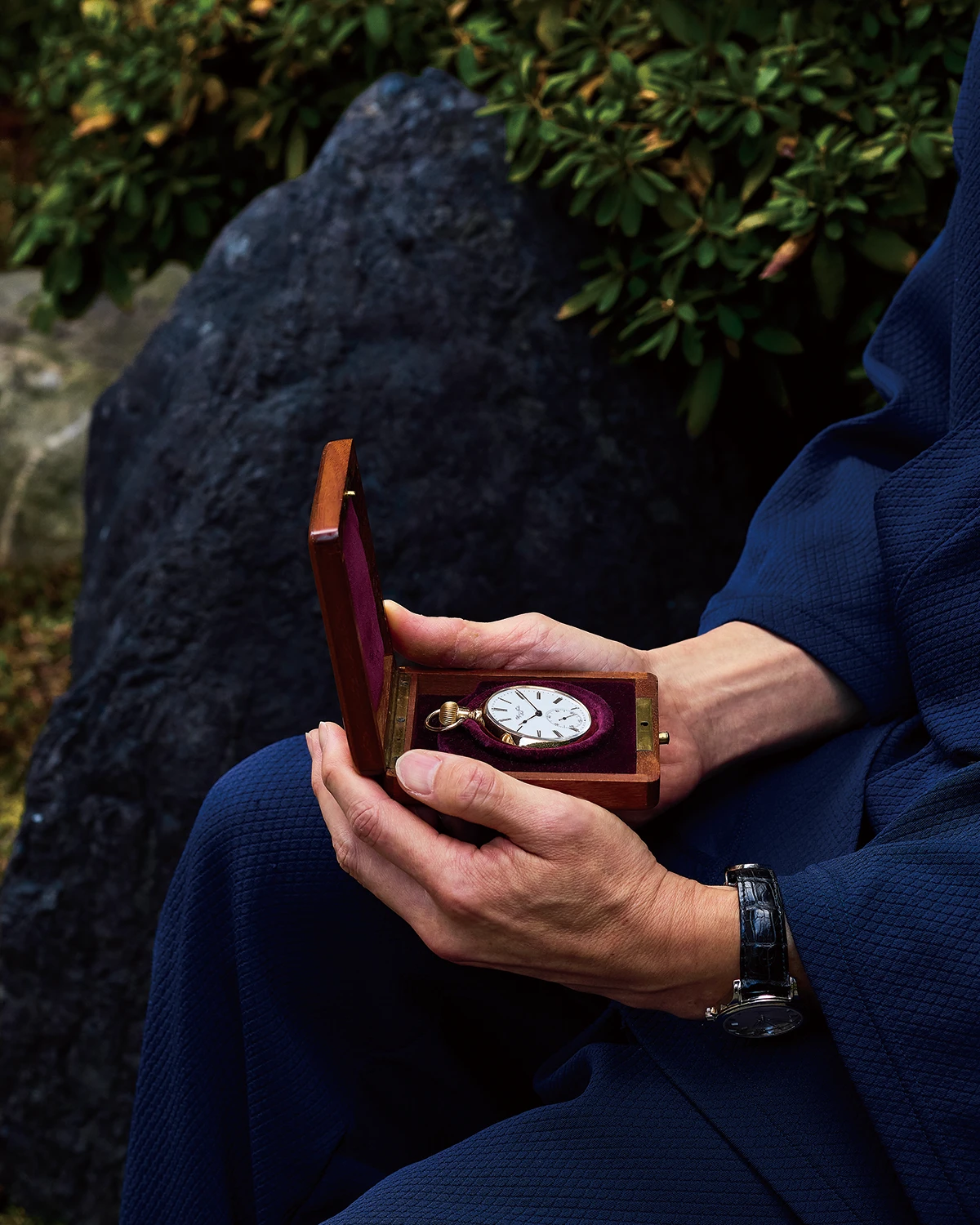
He comes from an old, prestigious family in the Kansai region. Being from a distinguished family, he was unconsciously exposed to items that honed his aesthetic sense from a young age, including his grandfather's Omega Constellation. He moved to Tokyo to attend university, and during his studies, he began to take up the hobby of watches, starting with vintage watches, reminiscent of his grandfather's wristwatch.
Photographs by Takafumi Okuda
Yukiya Suzuki (Kronos Japan): Interview and writing
Text by Yukiya Suzuki (Chronos-Japan)
Edited by Yukiya Suzuki (Chronos-Japan), Yuto Hosoda (Chronos-Japan)
[Article published in the July 2025 issue of Kronos Japan]
"For the past 10 years, I've been searching for watches with a 'background' that you can't get even if you have the money."
"For the past 10 years, I've been searching for watches that I can't acquire even if I had the funds. No matter how wonderful a piece is, if I have the money to buy it, I lose my desire to purchase it, so I haven't made any notable acquisitions in the last 10 years." Perhaps dragonfire_jp says this because he had already acquired some big pieces before. Since his watch hobby began to mature, he has mainly collected observatory chronometers and has been passionate about pursuing the stories behind each piece.
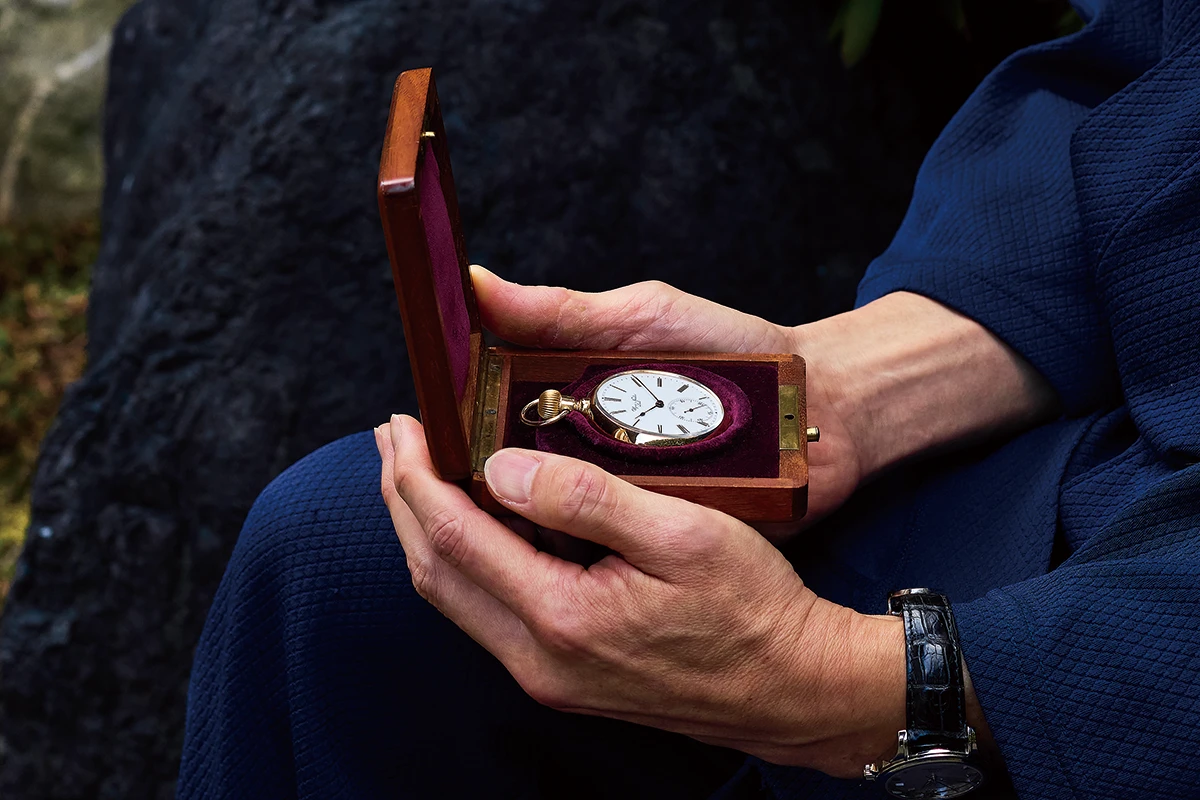
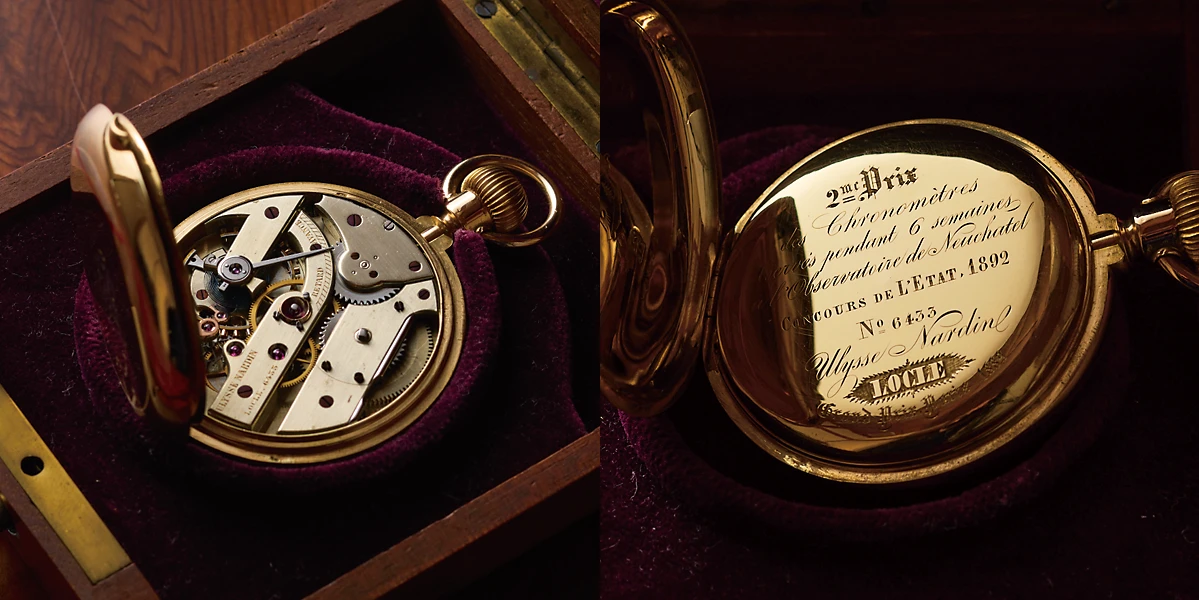
"My collection is rather 'practical,' so I tend to have a lot of simple items," he says modestly. However, the knowledge he has accumulated by exploring the stories behind these items is extraordinary, as is immediately apparent from the "achievements" that dragonfire_jp uploads to his Instagram.
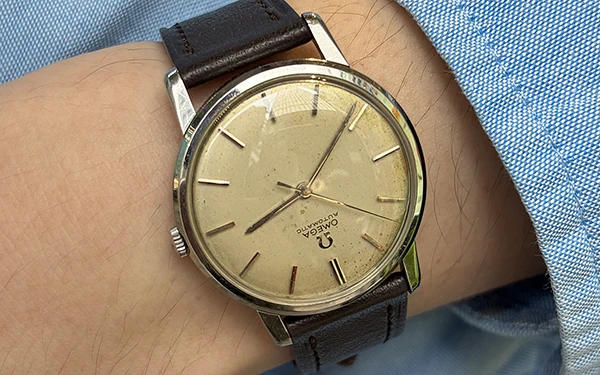
While dragonfire_jp has now reached heights far beyond the reach of ordinary people, he recalls that his very first encounter with watches was with a 1950s Omega Constellation owned by his grandfather.
"Since I was a child, I've always looked closely at my grandfather's Constellation watch, so I gradually became interested in watches and grew to love them."
Born into an old family in the Kansai region, dragonfire_jp spent his high school years locally before moving to Tokyo for university. Having maintained his interest in watches, he finally took his first serious step into the world of vintage watches at the age of 22, during his fourth year of university.
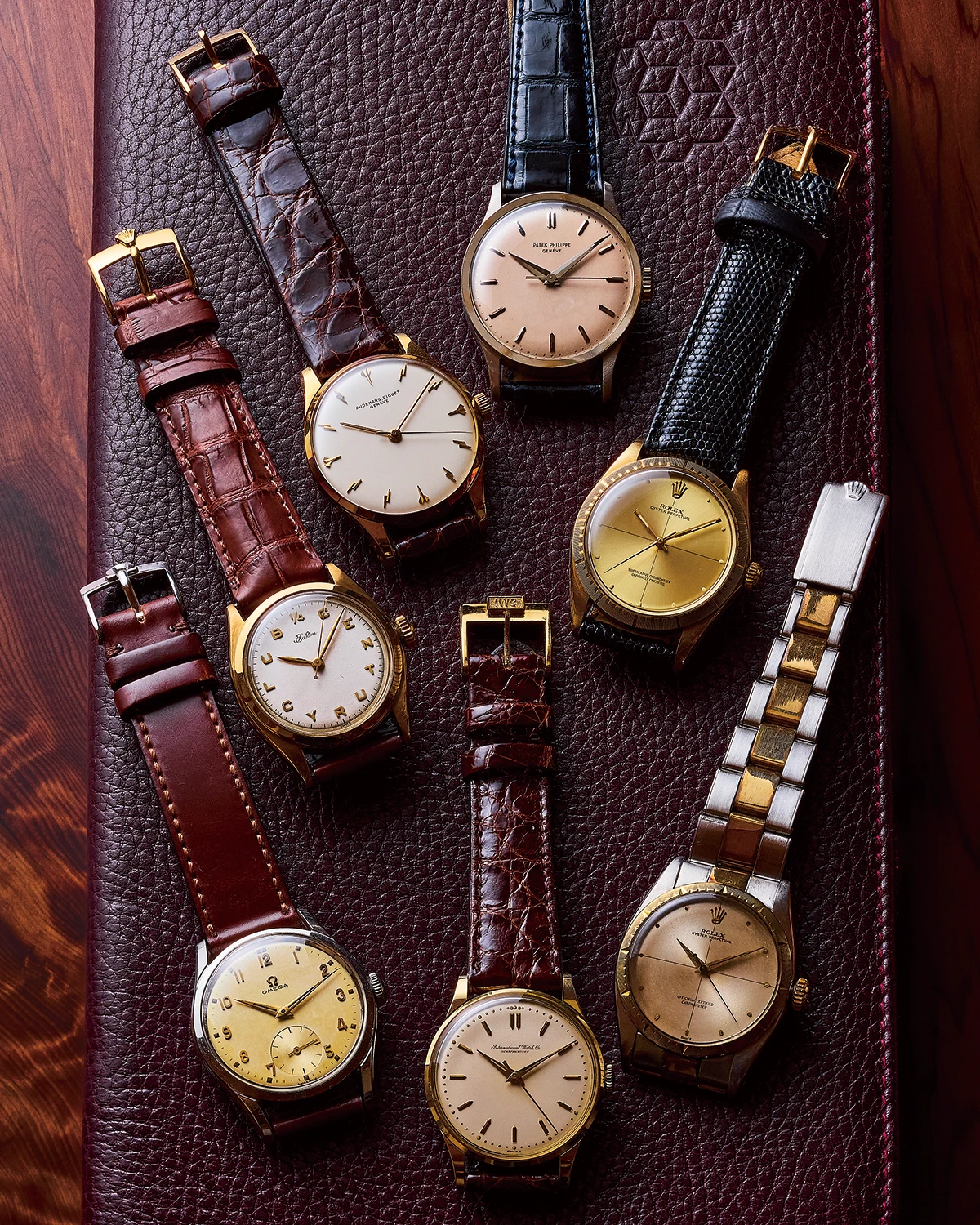
"My watch collection started with wristwatches, following a common pattern. I learned about vintage watches from Kenichi Kurisaki, the owner of Taian-do Honten in Yokosuka, and I frequently visited Cares in Morishita, One Minute Gallery in Harajuku, and Shellman, which were all there at the time."
Having gained knowledge from them, dragonfire_jp began to steadily collect vintage watches. His collection mainly consisted of models equipped with movements considered classics and masterpieces of vintage watches. These included the Omega 30mm caliber, the IWC Cal.89, the Rolex Zephyr with the Cal.1030, the Rolex Cal.1570, and the Audemars Piguet Cal.VZSSC. As his "final" purchase, he also acquired a Patek Philippe Calatrava Ref. 570.
"Once I had a full set of classics like the IWC Cal.89 and Omega 30mm caliber, my buying pace slowed down, and I naturally started to gravitate towards pocket watches."
Perhaps this is due to the background and personality of dragonfire_jp, who was born into an old family in the Kansai region. He says that his interest in pocket watches came about quite "naturally." Furthermore, after learning about the mechanisms of pocket watches, he became interested in early wristwatches, which were women's pocket watches that could be worn on the wrist. This "transition" and "evolution" of his interests is the best proof that dragonfire_jp is an extraordinary watch enthusiast. Most people don't get to that point.
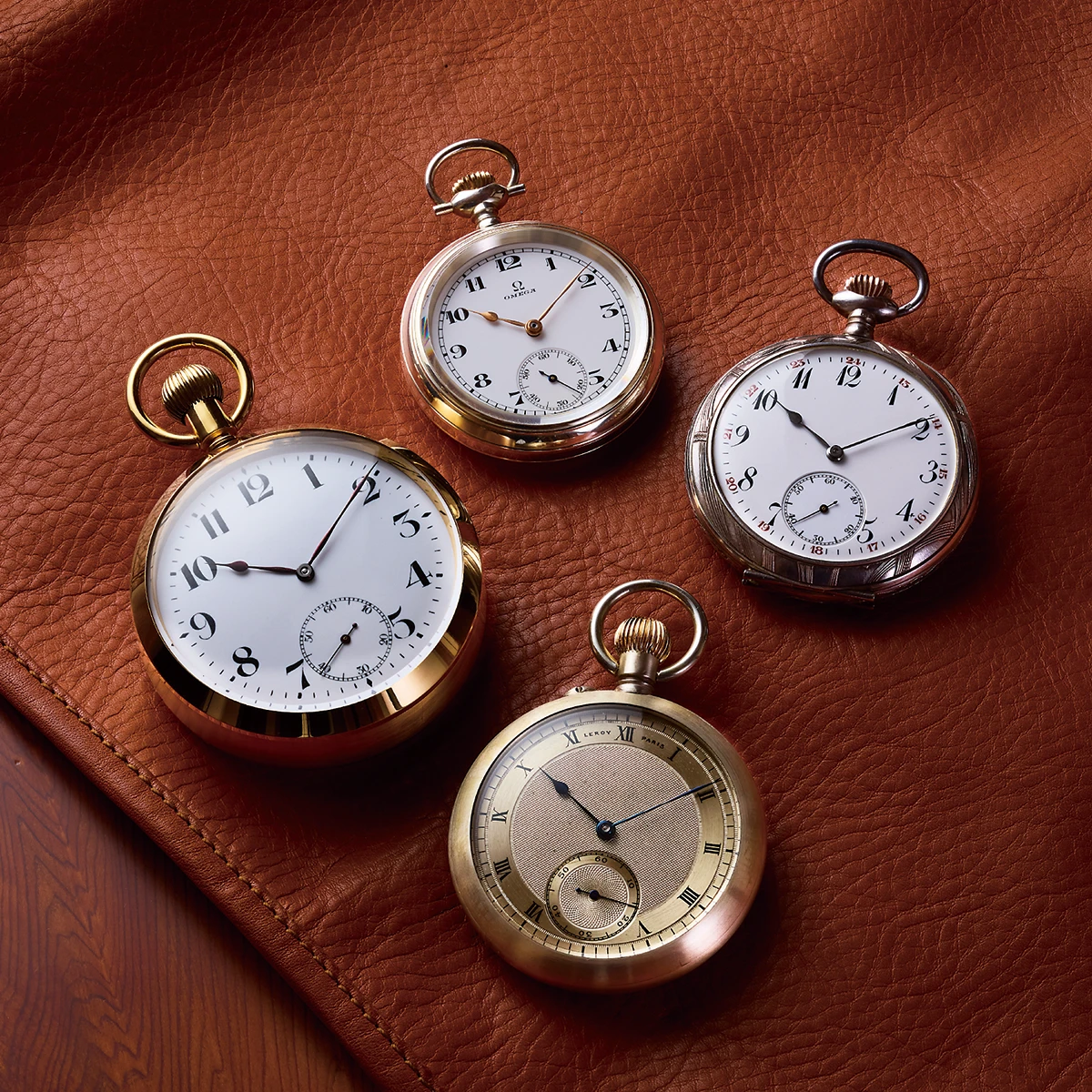
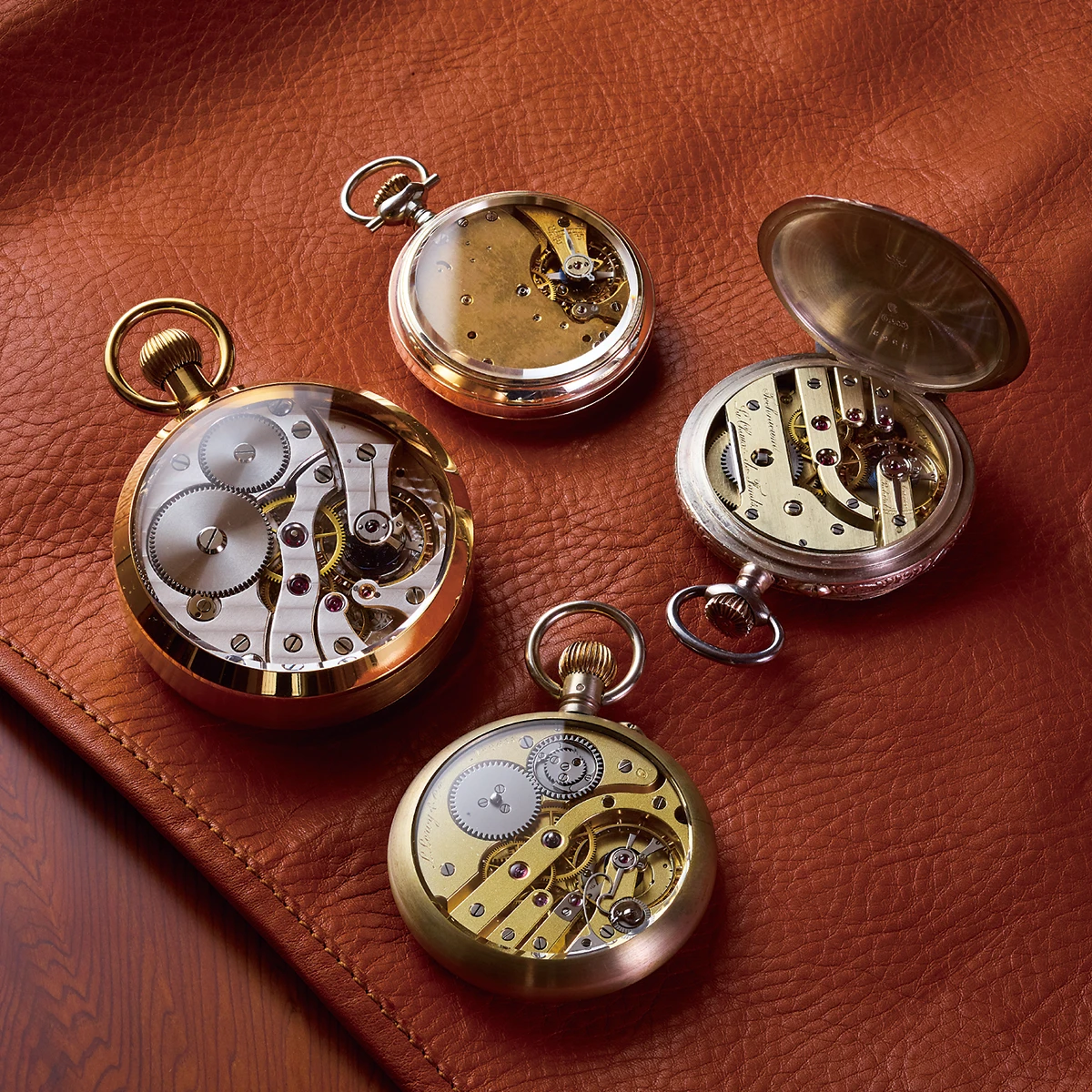
"From around this time, my collection mainly consisted of items from overseas auctions and from fellow collectors abroad."
As he explains, it was around this time that he began to interact and exchange information with people overseas, and he had a fateful encounter with observatory chronometers, which are now at the heart of dragonfire_jp's collection. The catalyst for this was the Ulysse Nardin pocket watch featured in the main image on page 56. He won this in an eBay auction around 2000.
"At the time, I knew almost nothing about observatory chronometers. I uploaded a picture of this Ulysse Nardin pocket watch to Instagram, and an overseas collector told me, 'This is from the Neuchâtel Observatory.'"
Ironically, however, after 2000, he was promoted to a management position in his main job, which made him busier than before, and he was unable to concentrate on his watch hobby for a while.
"Ultimately, I had a break of over 10 years, and I resumed my watch hobby once I had settled into my management position. At that time, although I maintained the collection I had amassed up to that point, I had expanded my hobbies to various other fields during my break, such as photography with old cameras, ceramics, painting, and traveling to experience old cultures."
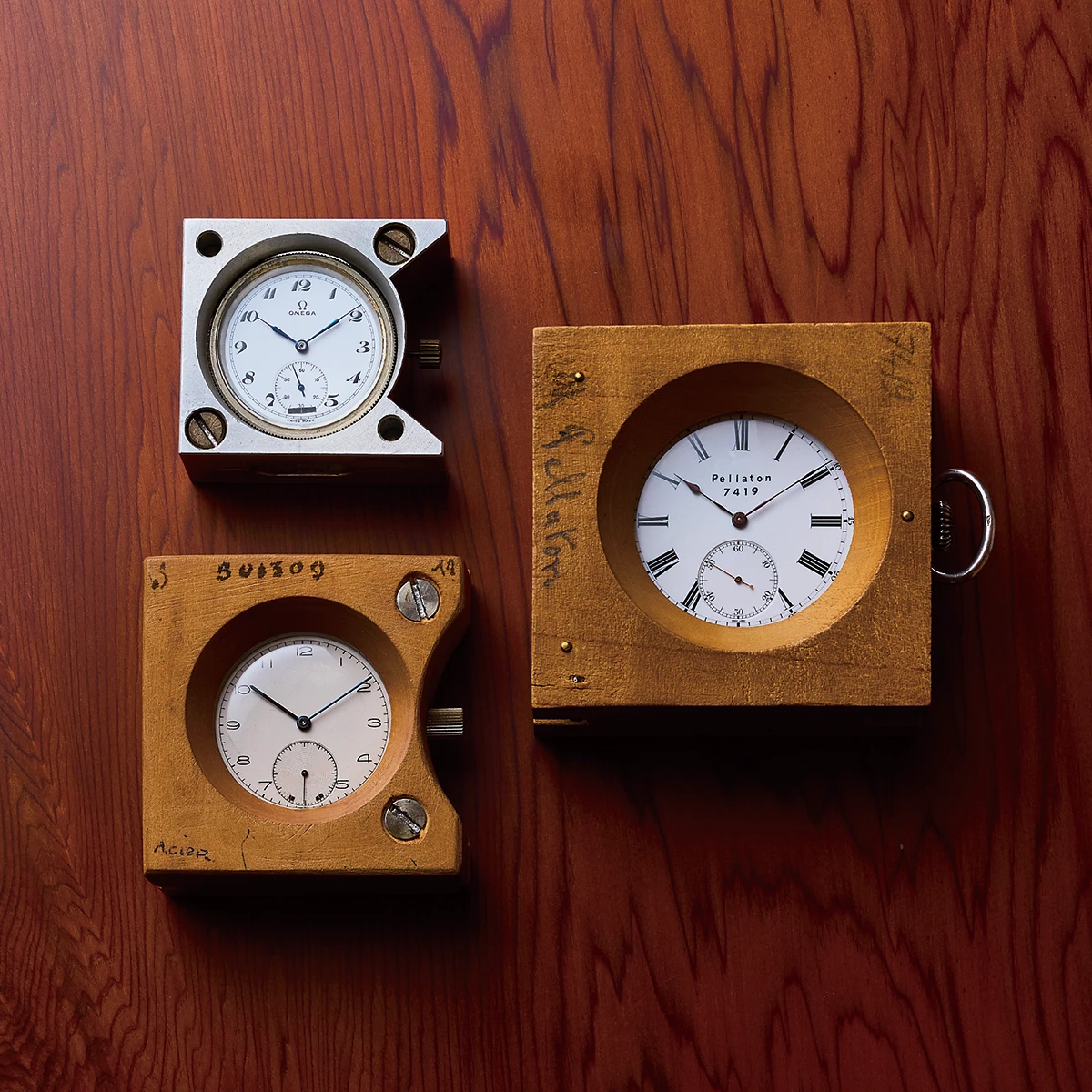
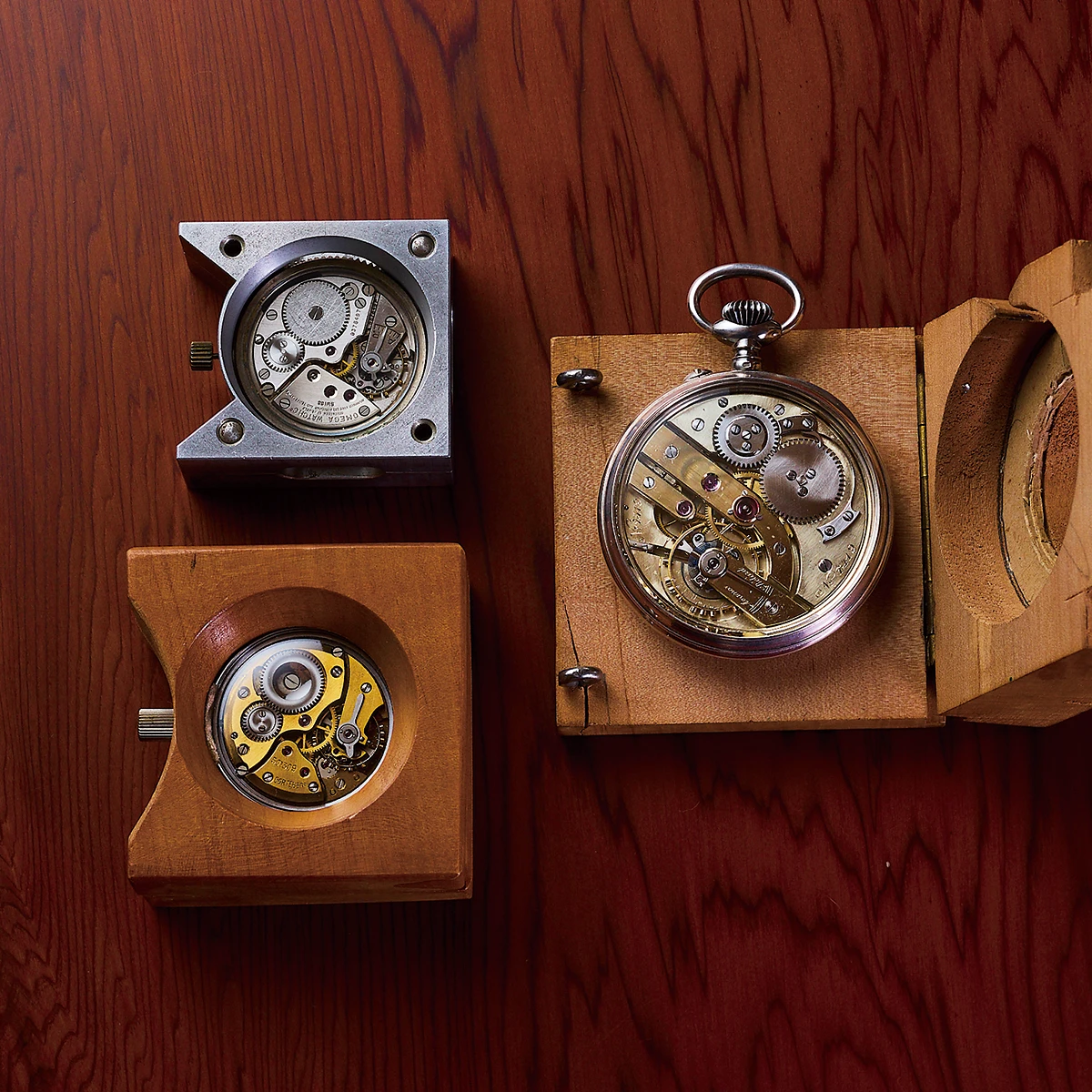
Based on this experience, dragonfire_jp's "journey of exploring behind-the-scenes stories" began. As mentioned at the beginning, it was from this point that he seriously began to seek out "individual watches that cannot be obtained even with sufficient funds, watches with a behind-the-scenes story (background)."
"Specifically, these include watches that won top prizes at events like the World Expo, prototype watches, the first watches of a particular model, and watches used by historical figures. However, these rarely appear on the market, and even if they do, they're usually only available at auction houses, so we've broadened the scope a bit... to include watches that won top prizes in observatory competitions, prototype watches made for observatory certification, and watches crafted by historically renowned watchmakers."
While dragonfire_jp was initially drawn to watches with such diverse backgrounds, his focus eventually narrowed to those related to observatory competitions.
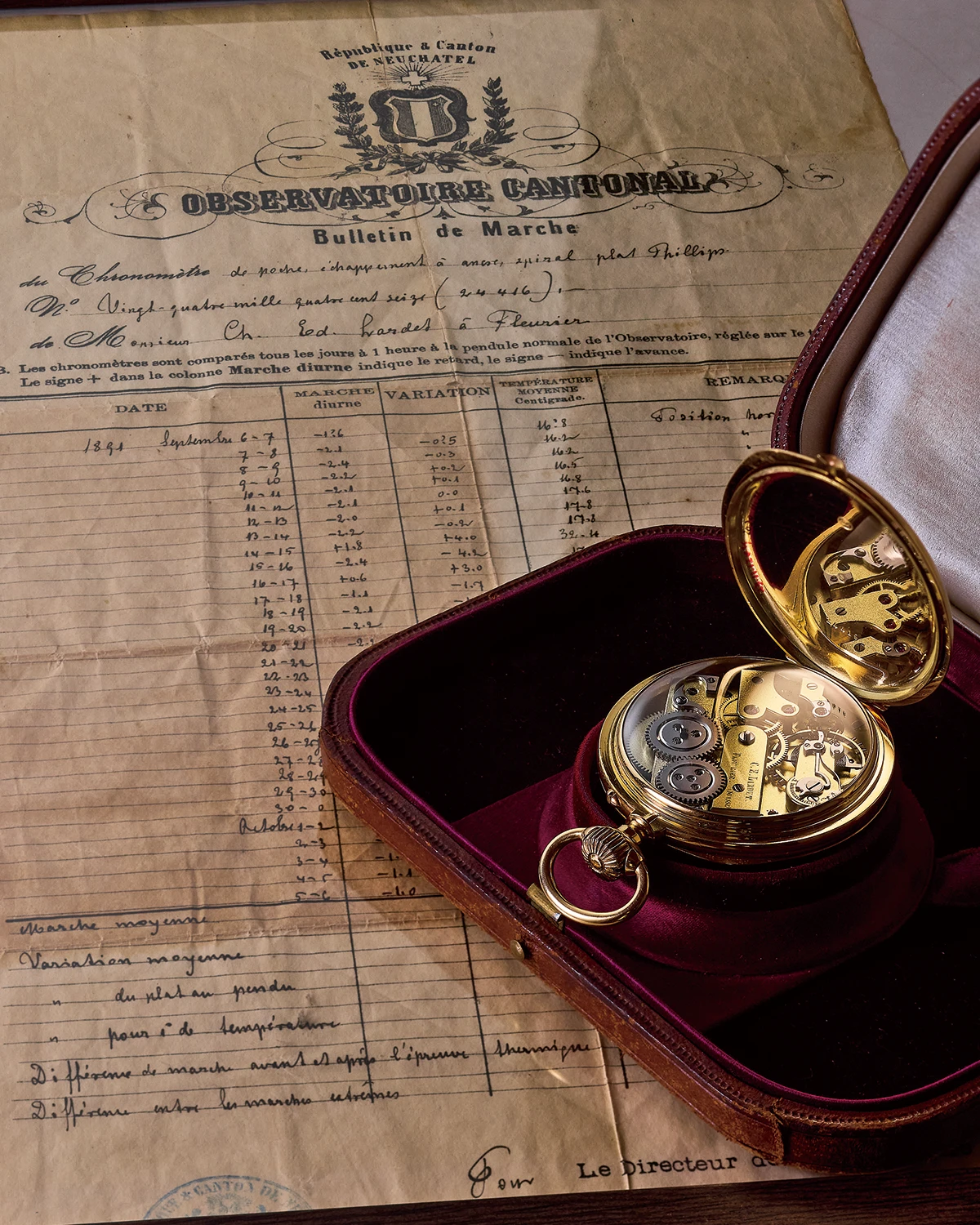
"However, from the late 1950s onward, the observatory competitions became far removed from commercially available models, and no longer fit with my policy based on 'pragmatism.' In reality, I mainly collect pieces that were exhibited in the category of early wristwatches from the 1940s, which were closer to commercially available models."
As he explains, dragonfire_jp's collecting themes have evolved and changed along with his own maturity, but as mentioned at the beginning, his policy of "pragmatism" remains completely unwavering.
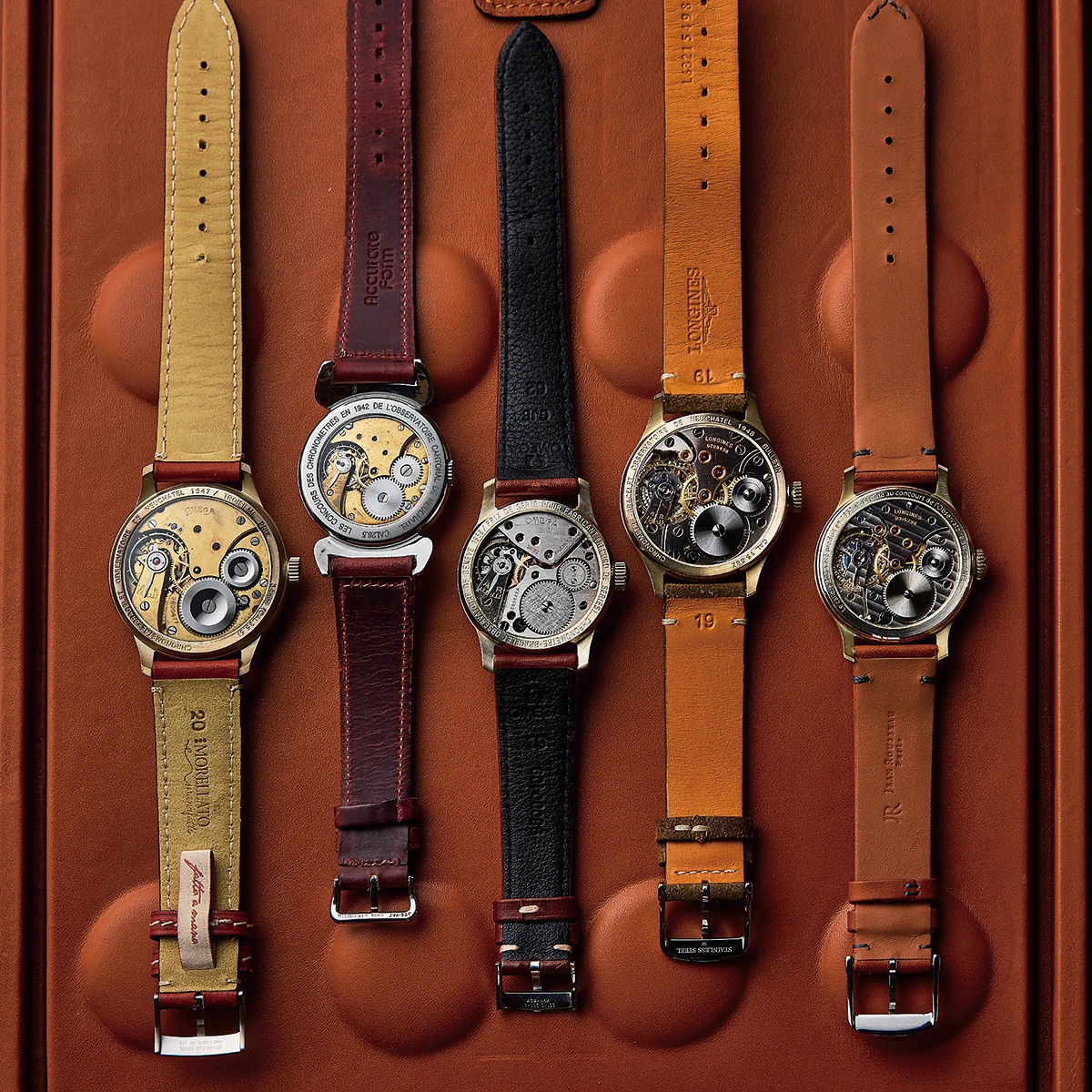
"The main difference between me and overseas observatory chronometer collectors is that I select observatory chronometers based on whether they are actually usable, and I have the usable movements converted into wristwatches that I cherish and wear."
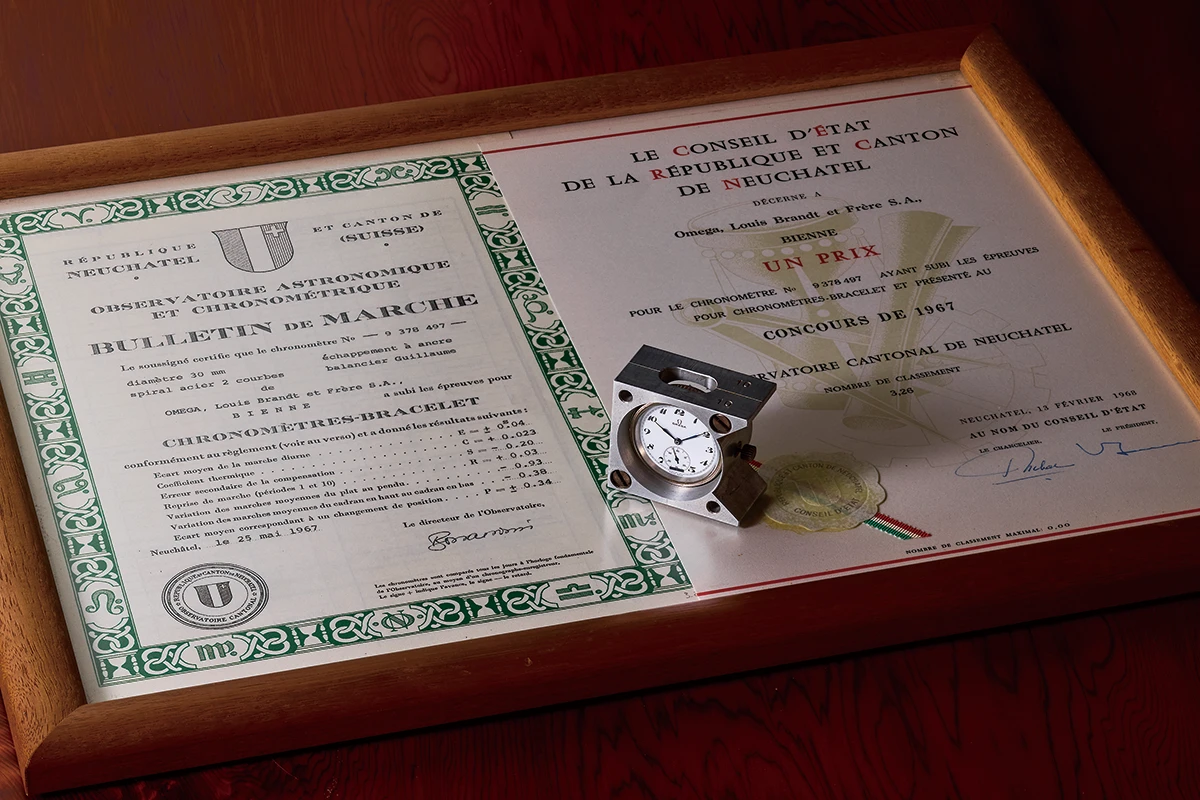
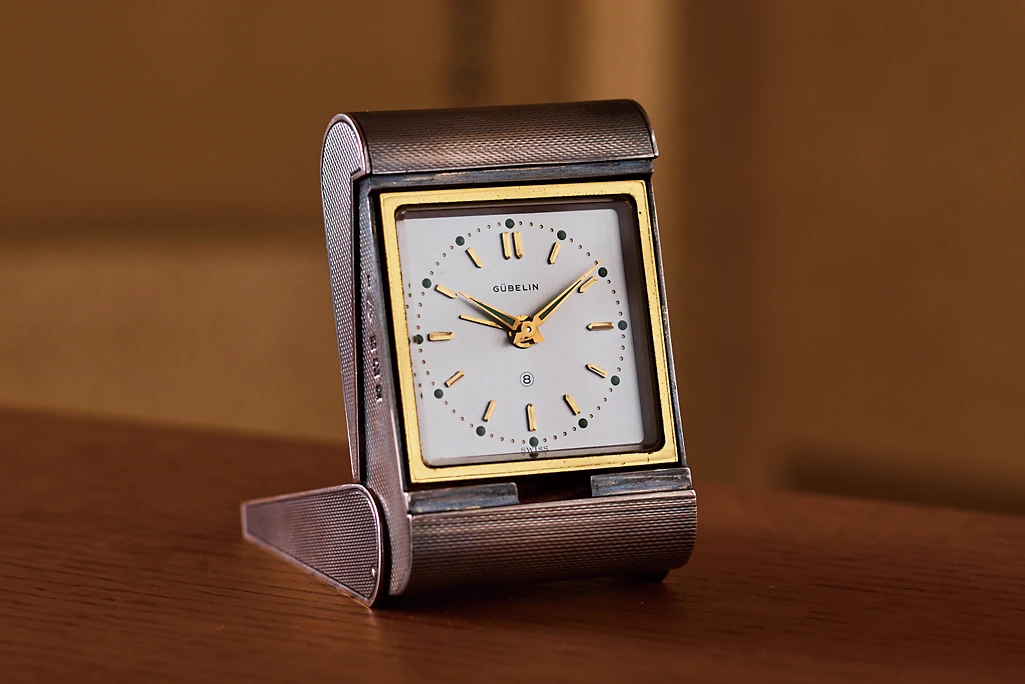
In other words, they're actually using movements from observatory chronometers, repurposed into wristwatches.
"In pursuit of precision, many movements have been modified in various ways. We find usable examples, preserve their original condition from when they were exhibited in competitions, and enjoy fitting them into cases that recreate the era in which they were made."
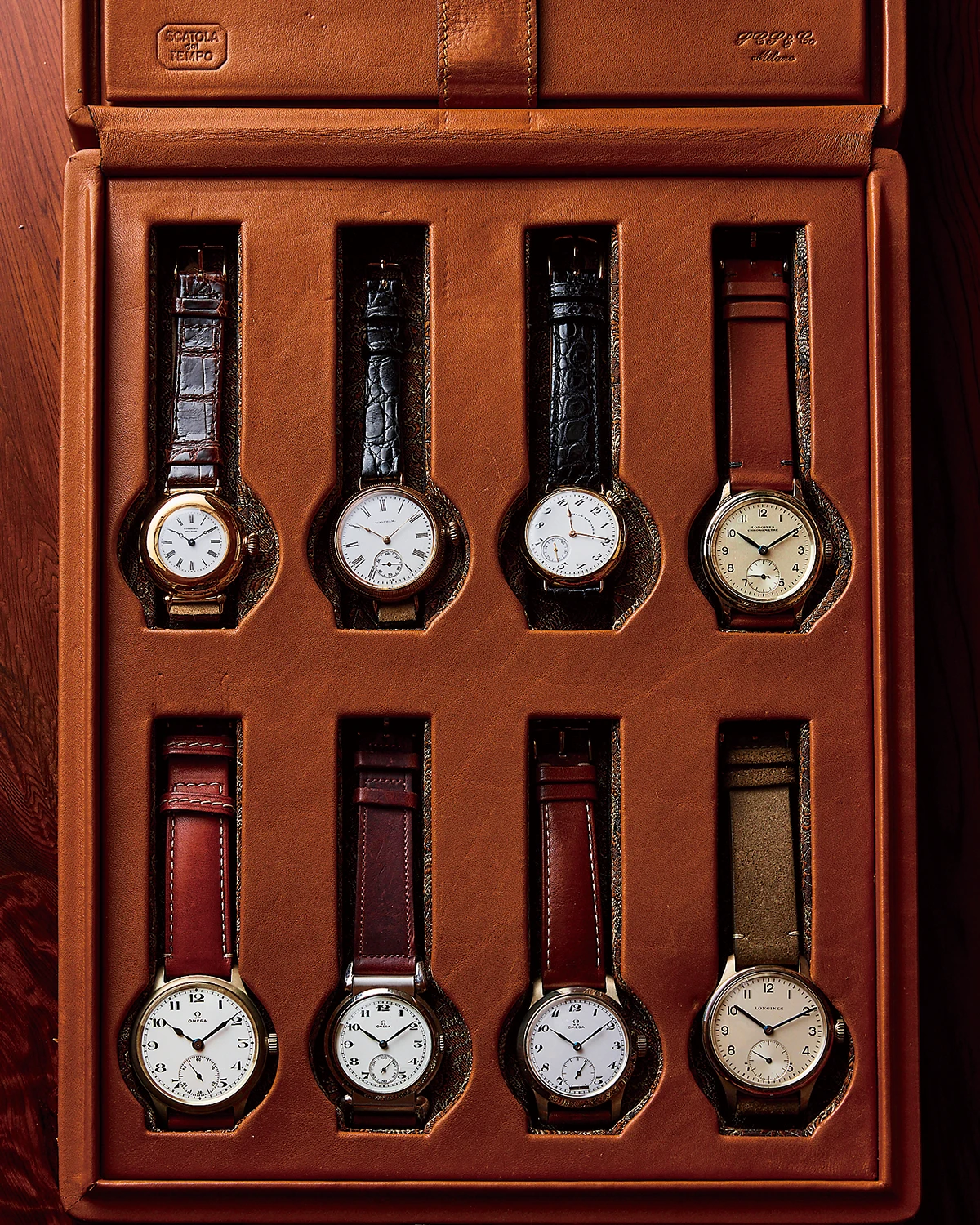
Looking at the watches delivered in 2024, both the Longines Neuchâtel Observatory Chronometer movement 15.68Z and the Longines 30Z, which was exhibited at the Kew Observatory, have been converted into wristwatches and added to dragonfire_jp's collection.
Even after retiring and returning to his hometown, he still communicates with collectors both domestically and internationally. He negotiates to acquire watches that match his tastes from when he was 20, so his passion for watches is still going strong.